
On January 1, 2025, I was deeply honored to receive the Order of the Falcon from the President of Iceland. This recognition celebrates not only my journey in building a vibrant startup community but also the collective efforts of countless entrepreneurs, mentors, and visionaries who have fueled Iceland’s rise as a hub for innovation. Together, we’ve transformed potential into success, proving that with trust, collaboration, and bold dreams, anything is possible. This award is a testament to what we’ve built—and the limitless opportunities ahead.
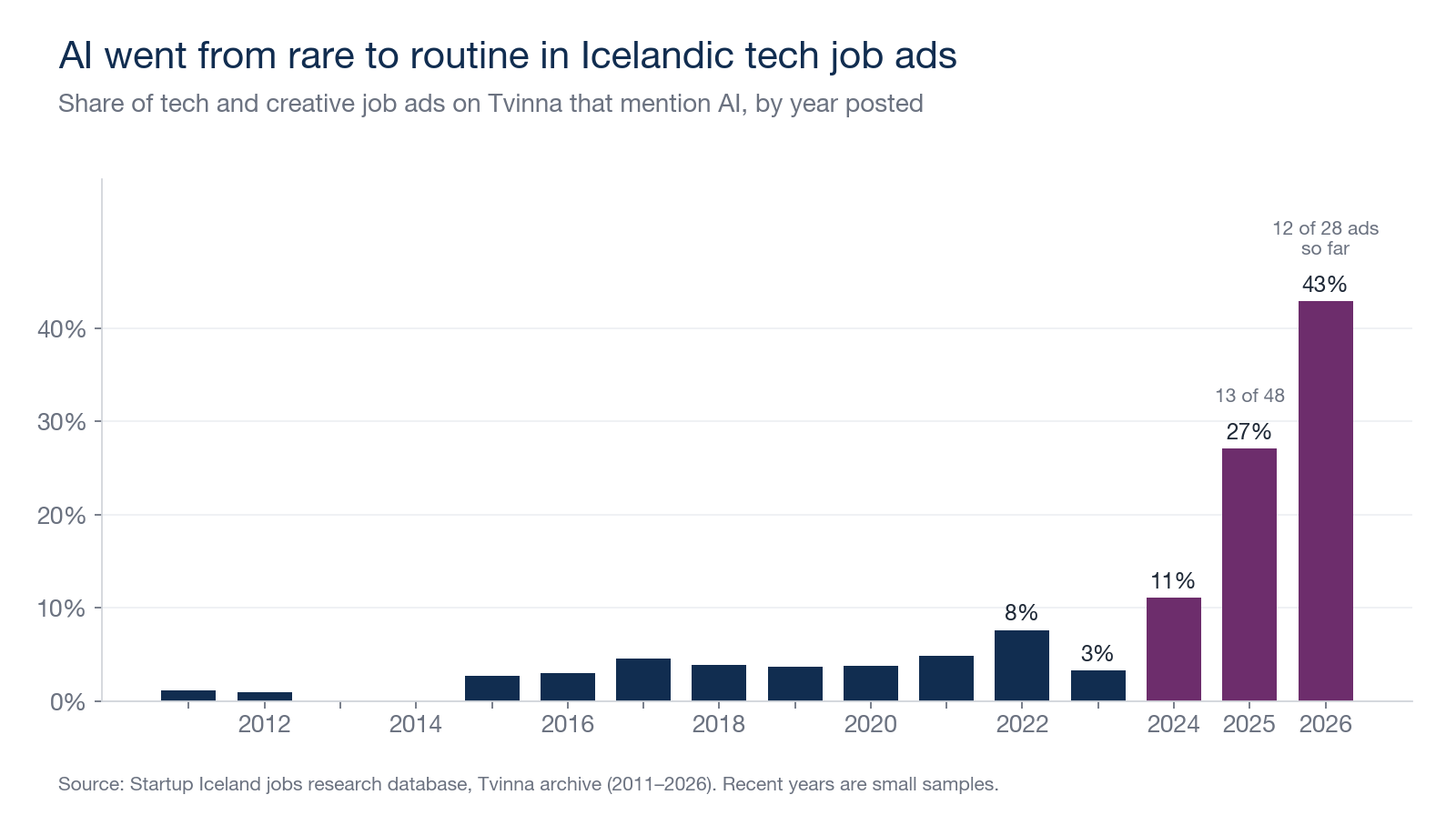
Conversations about AI in Iceland reveal widespread concern over job loss, yet data shows most open positions are in roles generative AI cannot perform, such as teaching and healthcare. Employers seek individuals skilled in AI use rather than AI specialists. Companies face a choice in integrating AI: reduce jobs or enhance productivity through task redesign.
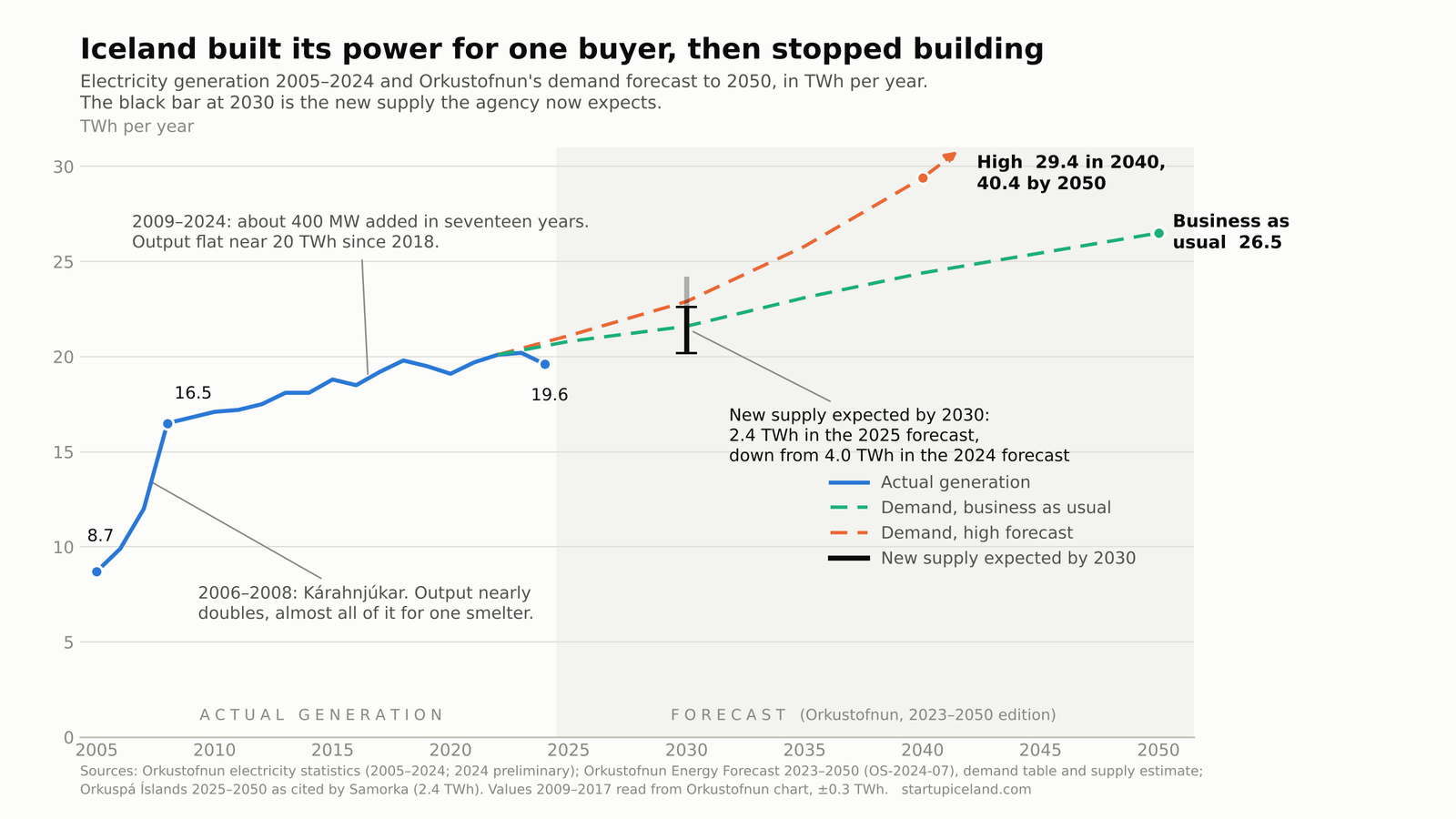
Iceland faces a critical juncture in electricity management as past practices of allocating power for specific customers shift towards a new model where demand exceeds supply. Following the resignations of key executives, the nation’s first industrial policy lacks clear guidelines for power allocation, igniting complex discussions on prioritizing energy use for future projects.

This piece starts from a chart about electricity and wealth that has been circulating, and uses Iceland to test it. …
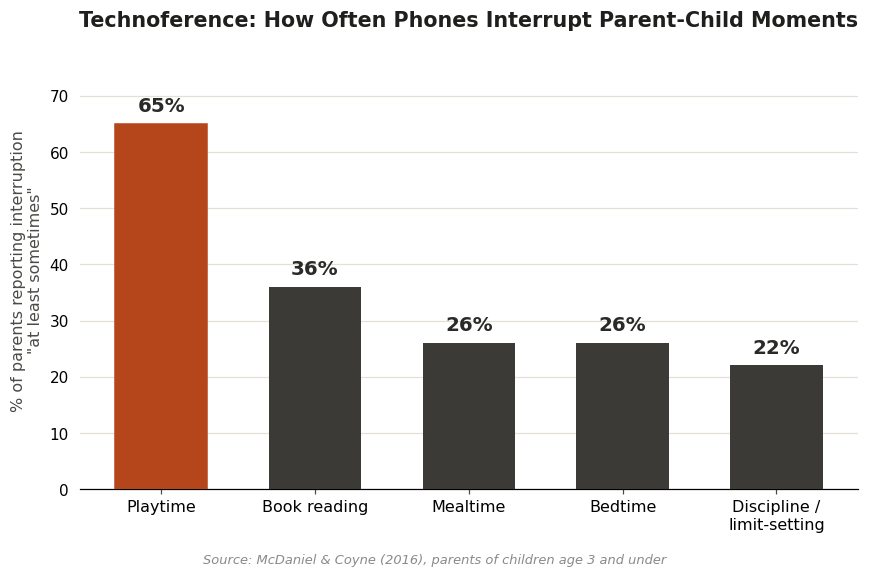
In 2025, all Nordic countries saw a decline in PISA scores, with Iceland experiencing the most significant drop. The core issue lies not in time scarcity but in a lack of genuine attention from adults. Self-belief in students often stems from the belief of mentors, emphasizing the importance of supportive relationships amid increased distraction from technology.

This article discusses the systemic risks in Iceland’s mortgage market, particularly focusing on the unfair distribution of risks between borrowers and lenders. It argues for a redesign of the mortgage system, advocating for a shift from indexed loans to a structure similar to Denmark’s model, which fairly allocates risks and promotes financial stability for households.

This is the first in a series on the problems Iceland now has to solve at home — the ones …

A personal reflection, offered especially to anyone here who has grown bitter — about the closed doors, the connections they …
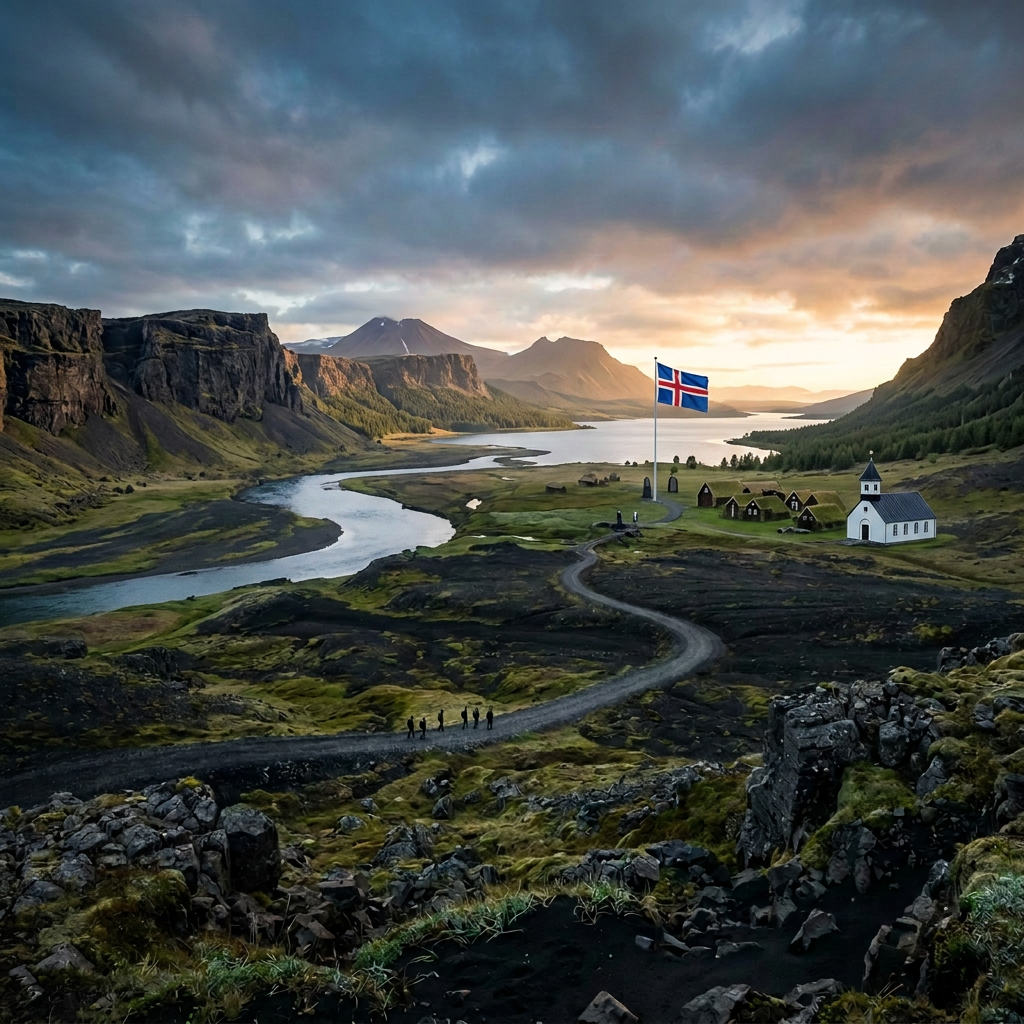
On the morning of 30 August 2026, Iceland gave its answer. This is not a victory lap. It is a …
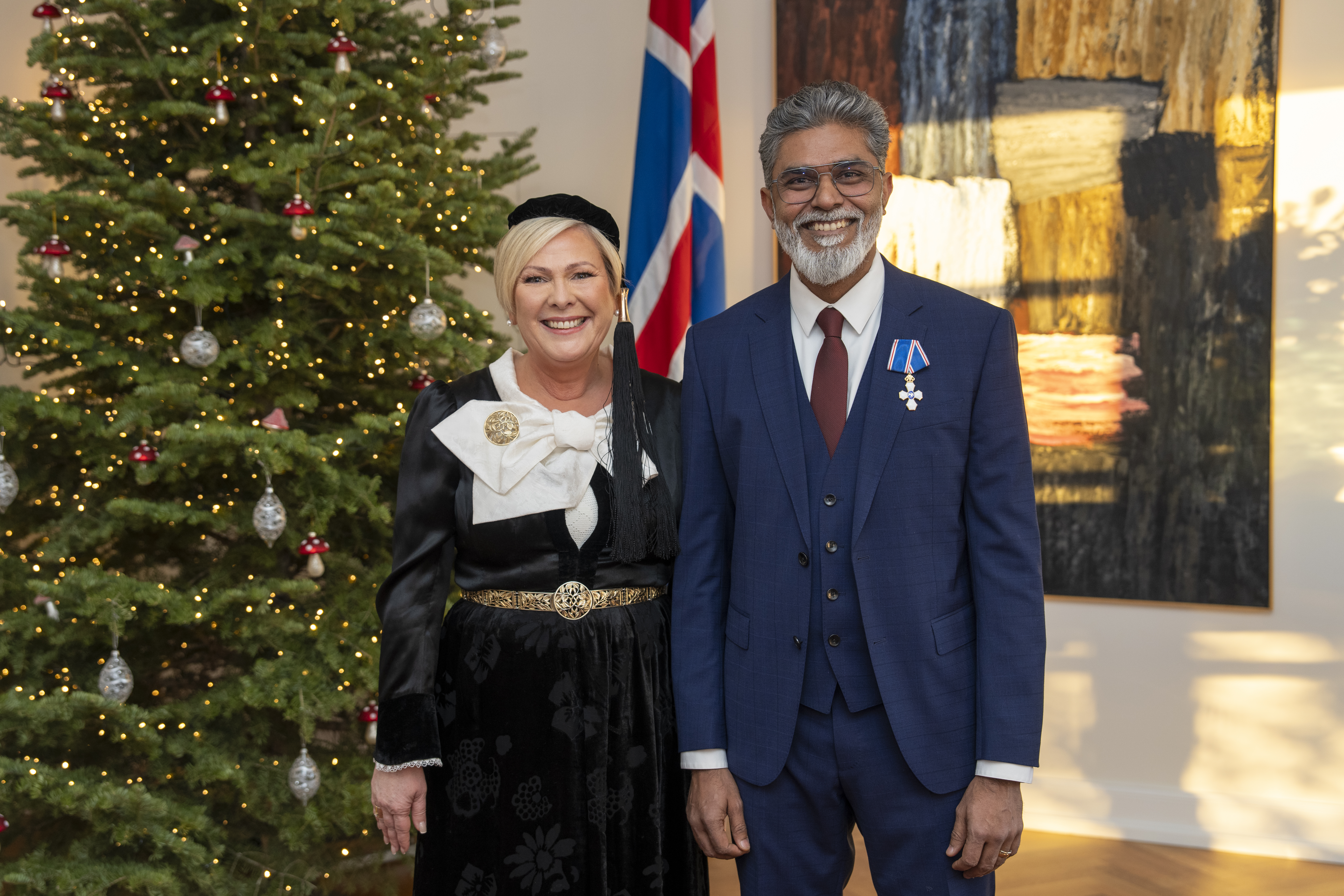
The author reflects on their dual identity, rooted in India but enriched by experiences in Iceland. After thirty years away, they found that their heritage didn’t diminish but instead informed their new life. Through relationships with inspiring Icelandic peers, they learned that belonging is not divided but compounded, creating a stronger, unified self.
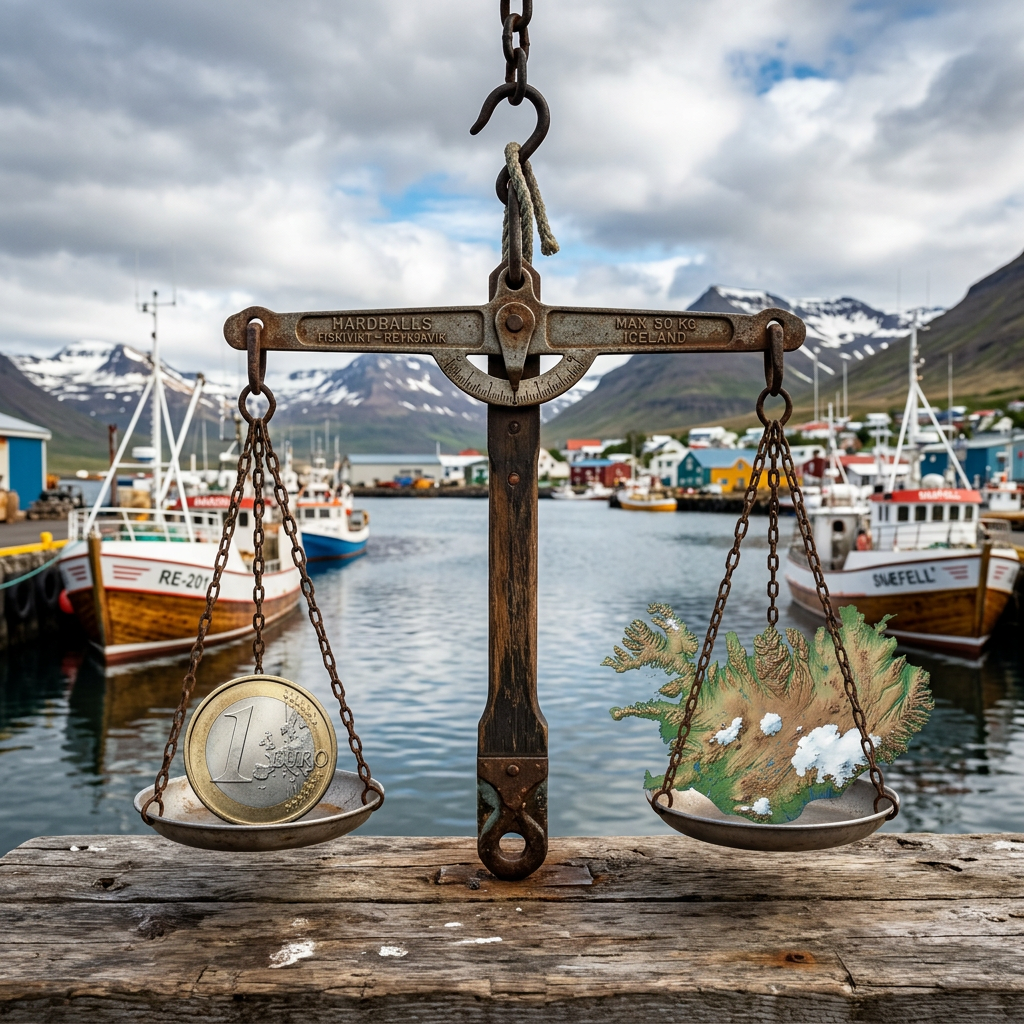
This article analyzes the financial implications of Iceland’s potential EU membership, revealing a significant disparity in estimated costs, ranging from 7 to nearly 50 billion krónur annually. It argues that Iceland would primarily be a net contributor, funding the development of poorer EU nations, and emphasizes the permanency and associated burdens of such a commitment.

Smári McCarthy wrote a detailed rebuttal to my post of 10 August, and this week he made a wider version …

I have spent this series arguing one side of Iceland’s referendum. That earns a reader’s suspicion, and it should. So …
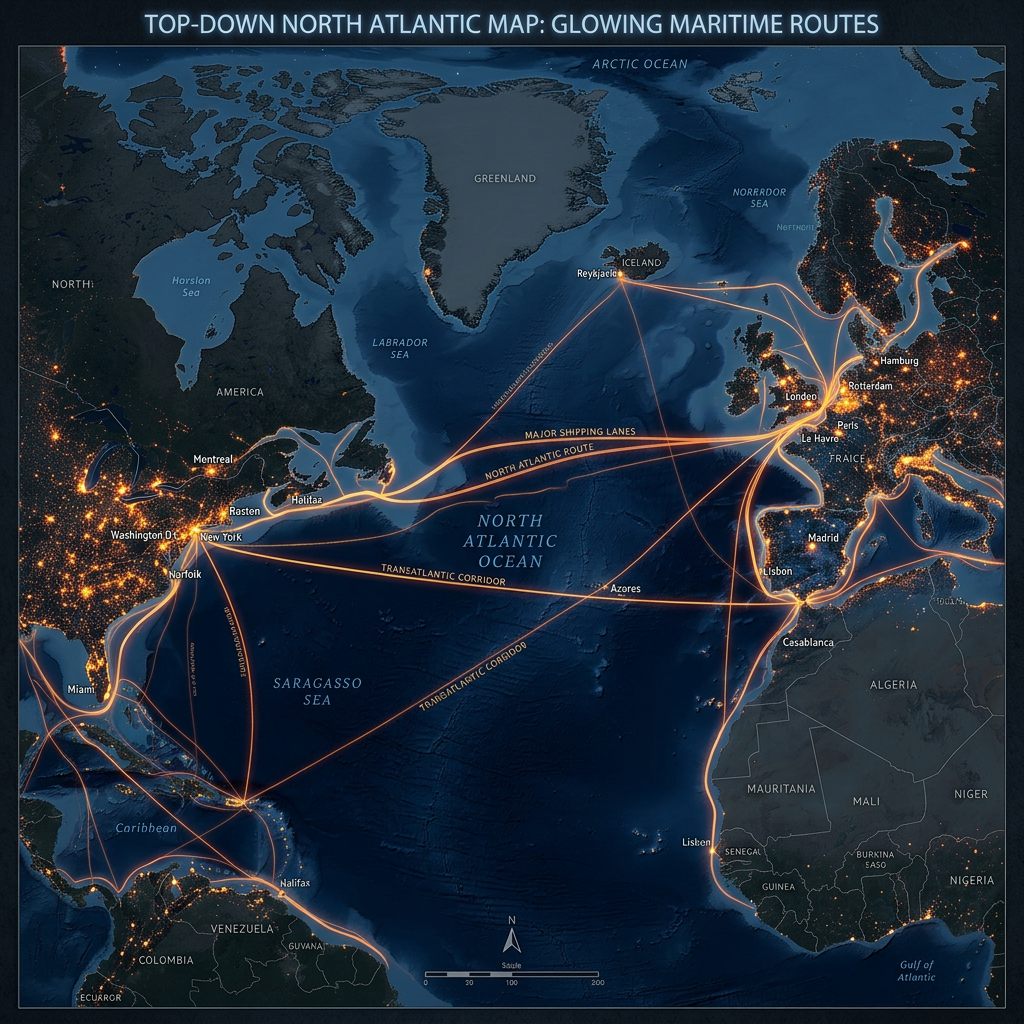
The article discusses Iceland’s strategic significance versus its economic relevance in the context of EU accession. While Iceland’s economy is minor within the EU, its geographic position is crucial for controlling the North Atlantic and observing Russian naval activity. The piece argues that Iceland’s security needs can be met through existing NATO affiliations and bilateral agreements, making EU membership unnecessary.

This piece discusses Iceland’s economic challenges and the importance of maintaining monetary sovereignty. It argues that technology can drive competitiveness and absorb inflation pressures, offering a buffer for high-margin businesses. The author emphasizes the need for structural reforms to deepen domestic capital markets to retain successful companies and build a resilient economy.

The seventh piece of a series on Iceland’s economy discusses how full inflation indexation prevents anyone from bearing the cost of inflation, ultimately eroding national competitiveness. As Icelandic prices rise compared to global alternatives, many Icelanders perceive Europe as a cheaper option. The solution proposed is dismantling the indexation system to restore balance.

The Icelandic government commissioned a report on currency options ahead of a referendum, revealing that while the króna is volatile, it absorbs rare shocks more effectively than previously acknowledged. The report identifies a critical competitiveness issue driven by rising wages. It emphasizes domestic reforms as essential, regardless of currency choices, highlighting that true stability relies on addressing internal economic structures.

Pip: Iceland is about to vote on whether to reopen EU accession talks, and BalaInIceland has spent the week writing …
This is a different kind of piece from the ones before it. Those were about economics — the cost of …

This piece outlines a phased plan to abolish verðtrygging in Iceland, interlinked with combating inflation. It highlights how current indexed mortgages disconnect from central bank policies, leading to persistent inflation. The proposed approach involves first ceasing new indexed loans to restore monetary policy effectiveness, followed by gradual conversion once inflation is under control.
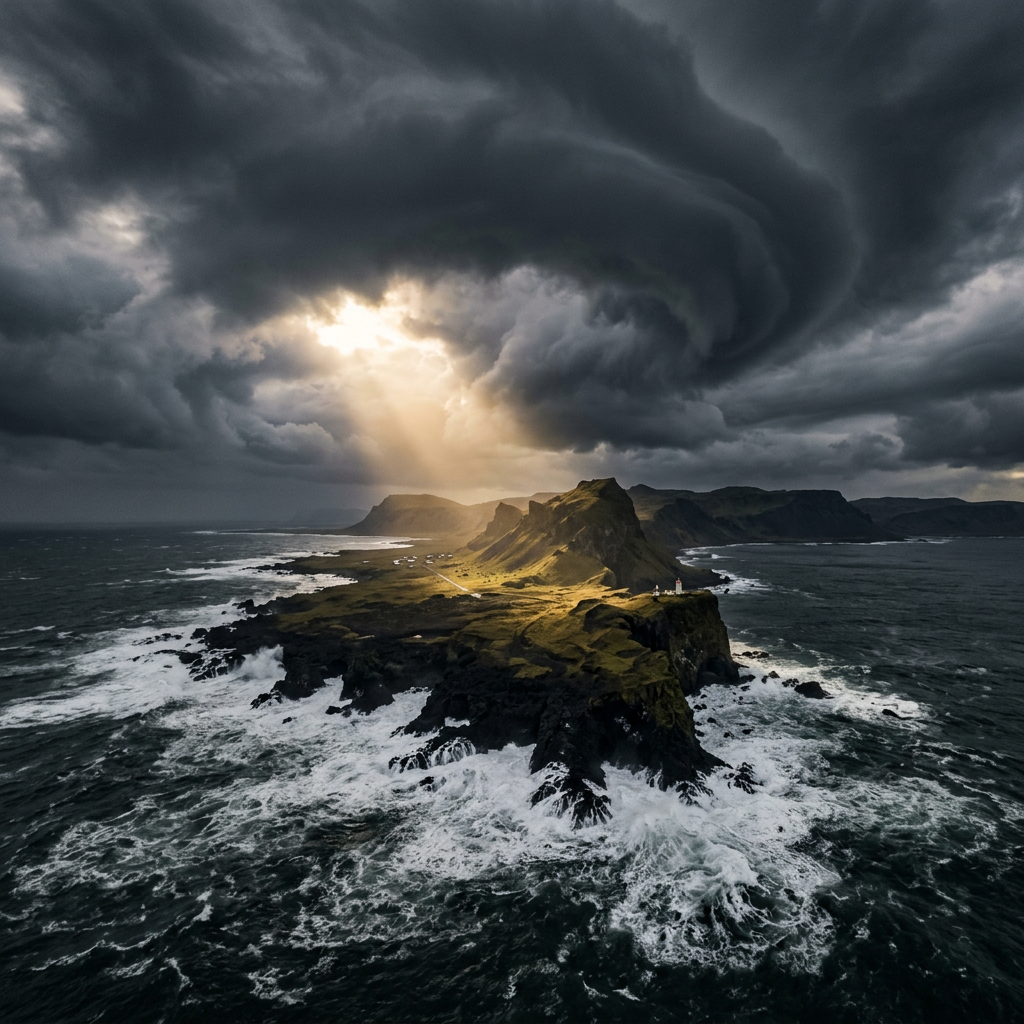
This is the fifth piece in a series on Iceland’s economy and the August 29 referendum on reopening EU accession …


