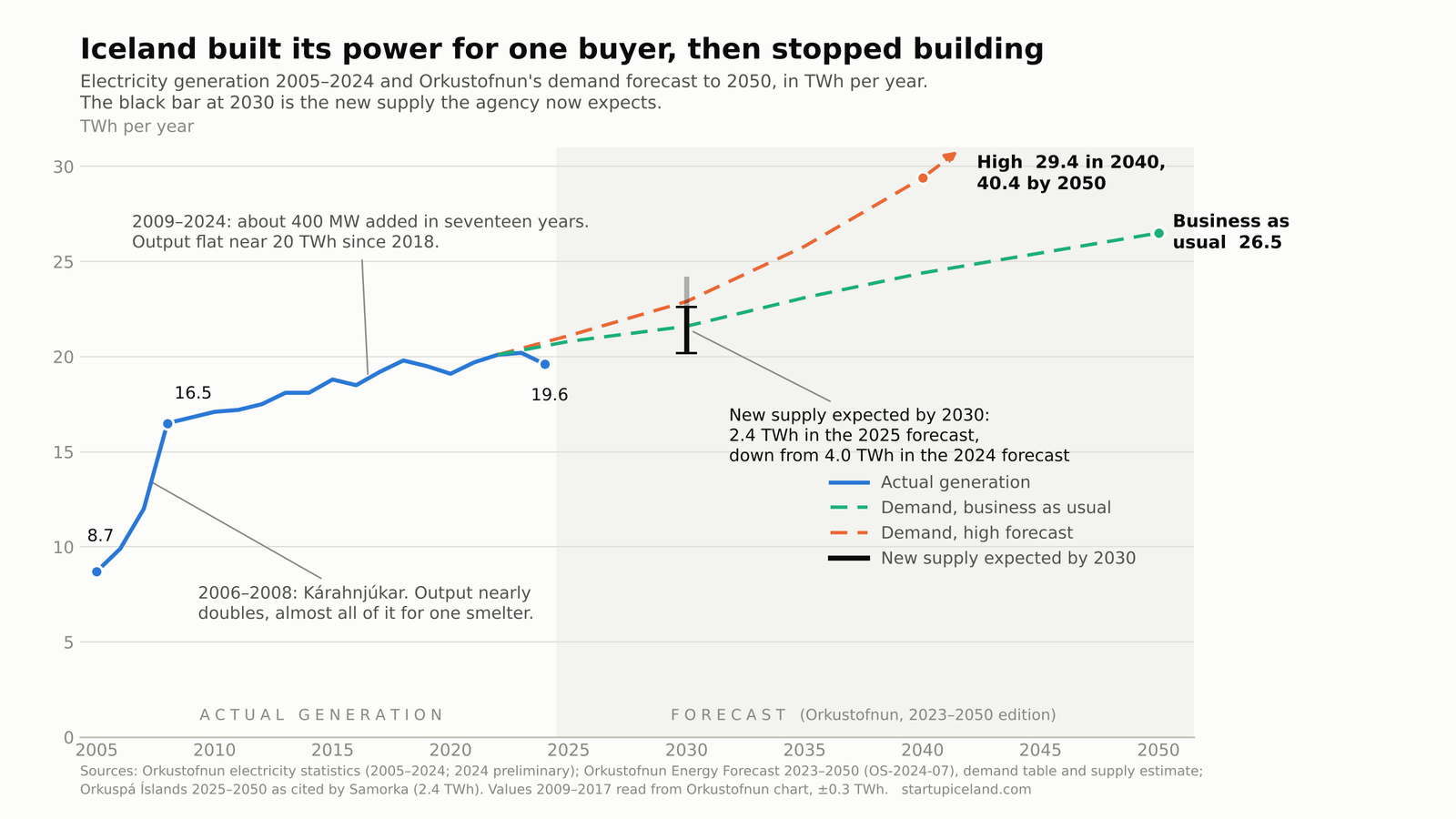
Iceland faces a critical juncture in electricity management as past practices of allocating power for specific customers shift towards a new model where demand exceeds supply. Following the resignations of key executives, the nation’s first industrial policy lacks clear guidelines for power allocation, igniting complex discussions on prioritizing energy use for future projects.

This article discusses the systemic risks in Iceland’s mortgage market, particularly focusing on the unfair distribution of risks between borrowers and lenders. It argues for a redesign of the mortgage system, advocating for a shift from indexed loans to a structure similar to Denmark’s model, which fairly allocates risks and promotes financial stability for households.

This is the first in a series on the problems Iceland now has to solve at home — the ones …
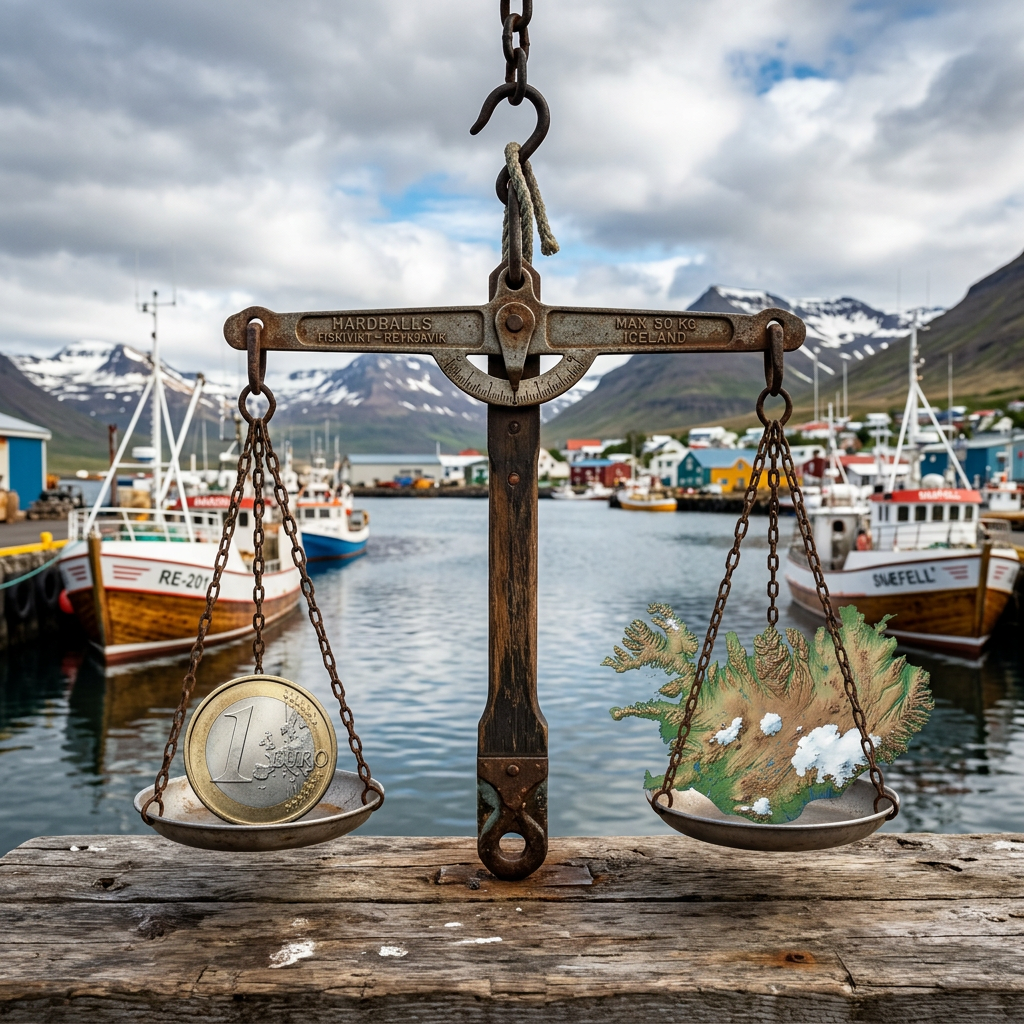
This article analyzes the financial implications of Iceland’s potential EU membership, revealing a significant disparity in estimated costs, ranging from 7 to nearly 50 billion krónur annually. It argues that Iceland would primarily be a net contributor, funding the development of poorer EU nations, and emphasizes the permanency and associated burdens of such a commitment.

This piece discusses Iceland’s economic challenges and the importance of maintaining monetary sovereignty. It argues that technology can drive competitiveness and absorb inflation pressures, offering a buffer for high-margin businesses. The author emphasizes the need for structural reforms to deepen domestic capital markets to retain successful companies and build a resilient economy.

The seventh piece of a series on Iceland’s economy discusses how full inflation indexation prevents anyone from bearing the cost of inflation, ultimately eroding national competitiveness. As Icelandic prices rise compared to global alternatives, many Icelanders perceive Europe as a cheaper option. The solution proposed is dismantling the indexation system to restore balance.

The Icelandic government commissioned a report on currency options ahead of a referendum, revealing that while the króna is volatile, it absorbs rare shocks more effectively than previously acknowledged. The report identifies a critical competitiveness issue driven by rising wages. It emphasizes domestic reforms as essential, regardless of currency choices, highlighting that true stability relies on addressing internal economic structures.

This piece outlines a phased plan to abolish verðtrygging in Iceland, interlinked with combating inflation. It highlights how current indexed mortgages disconnect from central bank policies, leading to persistent inflation. The proposed approach involves first ceasing new indexed loans to restore monetary policy effectiveness, followed by gradual conversion once inflation is under control.

This is the fifth piece in a series on Iceland’s economy and the August 29 referendum on reopening EU accession …

This analysis critiques Iceland’s Prime Minister’s arguments for EU membership regarding monetary sovereignty. It emphasizes that historical examples show joining the euro could lead to lower initial interest rates but also hidden risks, mispricing, and inflation issues. The author advocates for domestic reforms instead of abandoning currency sovereignty.
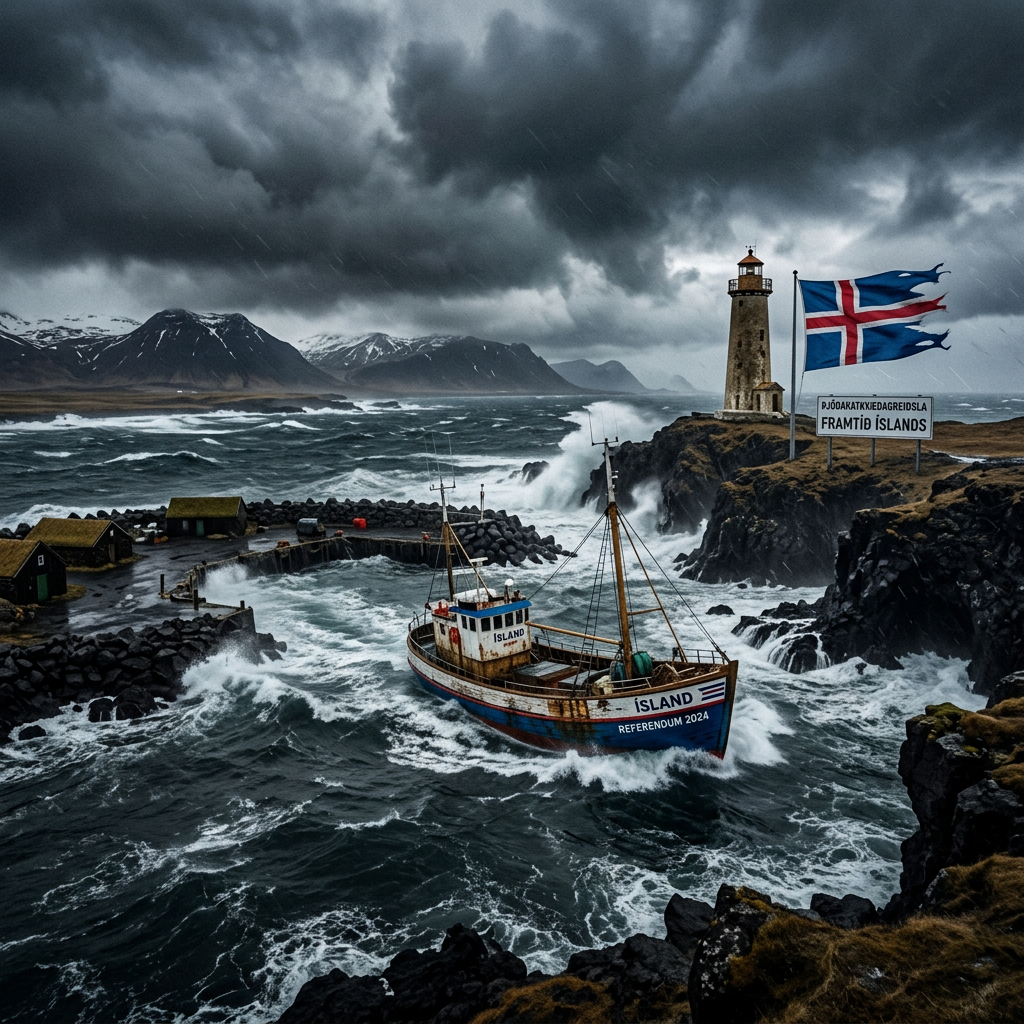
This is the third piece in a series. The first three argued that Iceland’s high cost of capital is mostly …
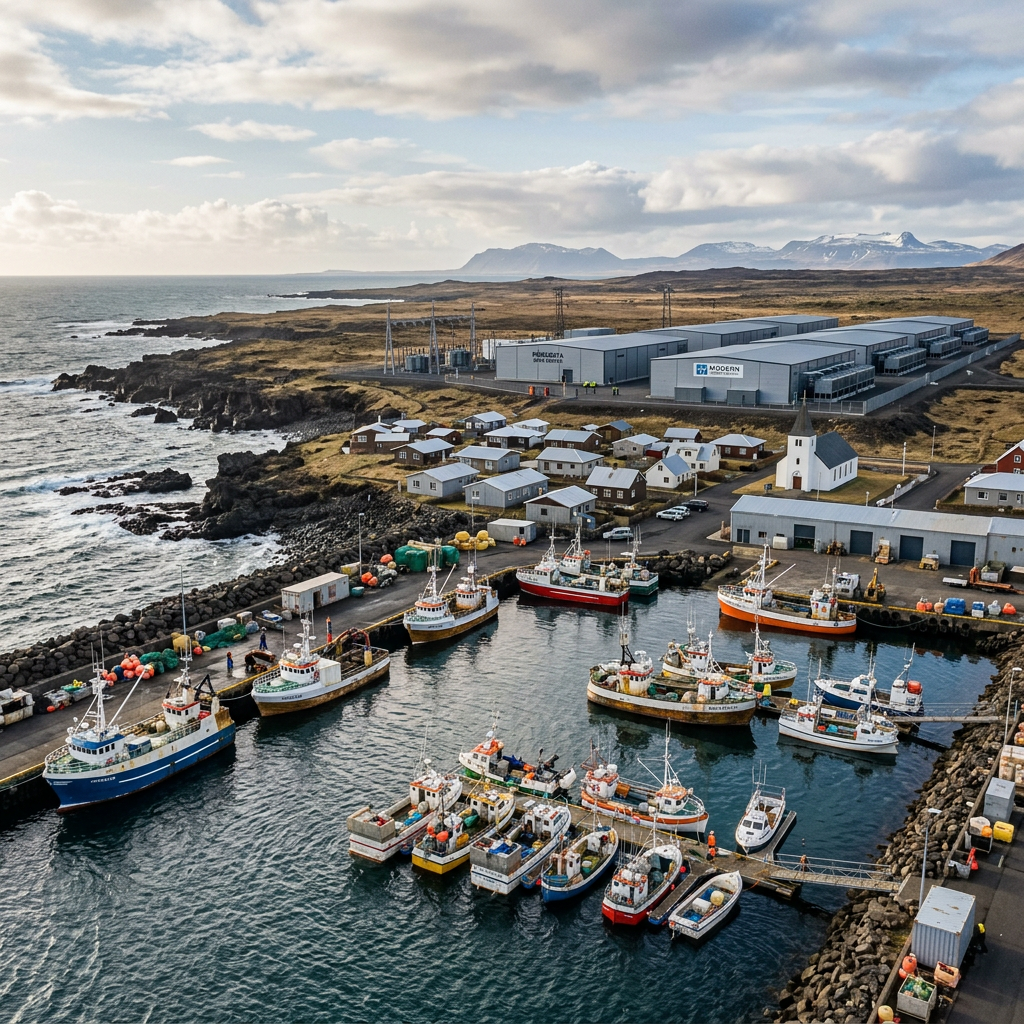
The Engine Is Ours to Rebuild: Why the Euro Won’t Fix Iceland’s Cost of Capital — and What Would This …

The Painkiller That Became the Disease: Why Iceland Cannot Let Go of Indexation Every few years, Iceland decides to abolish …

Iceland’s sweeping fishing fee reform marks a historic shift in how the nation manages its marine resources. By linking fees to international market prices, the policy promises a surge in government revenue but poses serious risks to industry profitability, rural livelihoods, and investment incentives. With coastal communities bearing the brunt and innovation budgets under pressure, the stakes extend far beyond taxation. This blog unpacks the economic, political, and environmental dimensions of the reform—and what it could mean for the future of Iceland’s fishing industry and national identity.

Indo is the first challenger bank in Iceland to have received a banking license. The founders will be hosting a meetup in partnership with Startup Iceland on May 12th to share their experience.

The Government of Iceland announced that non-EEA citizens can bring their work to Iceland. They just need to show proof of work and health insurance. This is fantastic news for the Startup Community in Iceland and for Founders.

Last friday was an important day for those of us who have been working on developing the startup community focused …

Work.Iceland.is is a new one-stop-shop for professionals wanting to migrate to Iceland or companies looking to hire professionals. It is very positive step and a power law moment.

Iceland release all of the currency controls that was established after the financial collapse. Risk of monetary instability significantly reduced in Iceland

Startup Iceland 2017 theme is Personal Data, Health, Wellness and Technology. Bringing VCs, coaches and founders to meet, learn and build a better world.
