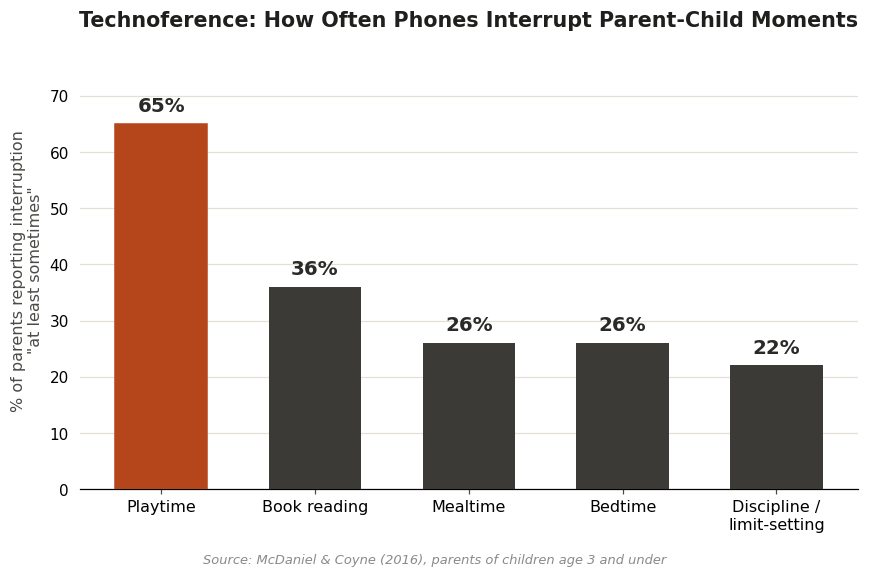
In 2025, all Nordic countries saw a decline in PISA scores, with Iceland experiencing the most significant drop. The core issue lies not in time scarcity but in a lack of genuine attention from adults. Self-belief in students often stems from the belief of mentors, emphasizing the importance of supportive relationships amid increased distraction from technology.
A personal reflection, offered especially to anyone here who has grown bitter — about the closed doors, the connections they …

I have spent this series arguing one side of Iceland’s referendum. That earns a reader’s suspicion, and it should. So …

This piece discusses Iceland’s economic challenges and the importance of maintaining monetary sovereignty. It argues that technology can drive competitiveness and absorb inflation pressures, offering a buffer for high-margin businesses. The author emphasizes the need for structural reforms to deepen domestic capital markets to retain successful companies and build a resilient economy.

The seventh piece of a series on Iceland’s economy discusses how full inflation indexation prevents anyone from bearing the cost of inflation, ultimately eroding national competitiveness. As Icelandic prices rise compared to global alternatives, many Icelanders perceive Europe as a cheaper option. The solution proposed is dismantling the indexation system to restore balance.

This is a different kind of piece from the ones before it. Those were about economics — the cost of …

This piece outlines a phased plan to abolish verðtrygging in Iceland, interlinked with combating inflation. It highlights how current indexed mortgages disconnect from central bank policies, leading to persistent inflation. The proposed approach involves first ceasing new indexed loans to restore monetary policy effectiveness, followed by gradual conversion once inflation is under control.

This is the fifth piece in a series on Iceland’s economy and the August 29 referendum on reopening EU accession …

This analysis critiques Iceland’s Prime Minister’s arguments for EU membership regarding monetary sovereignty. It emphasizes that historical examples show joining the euro could lead to lower initial interest rates but also hidden risks, mispricing, and inflation issues. The author advocates for domestic reforms instead of abandoning currency sovereignty.
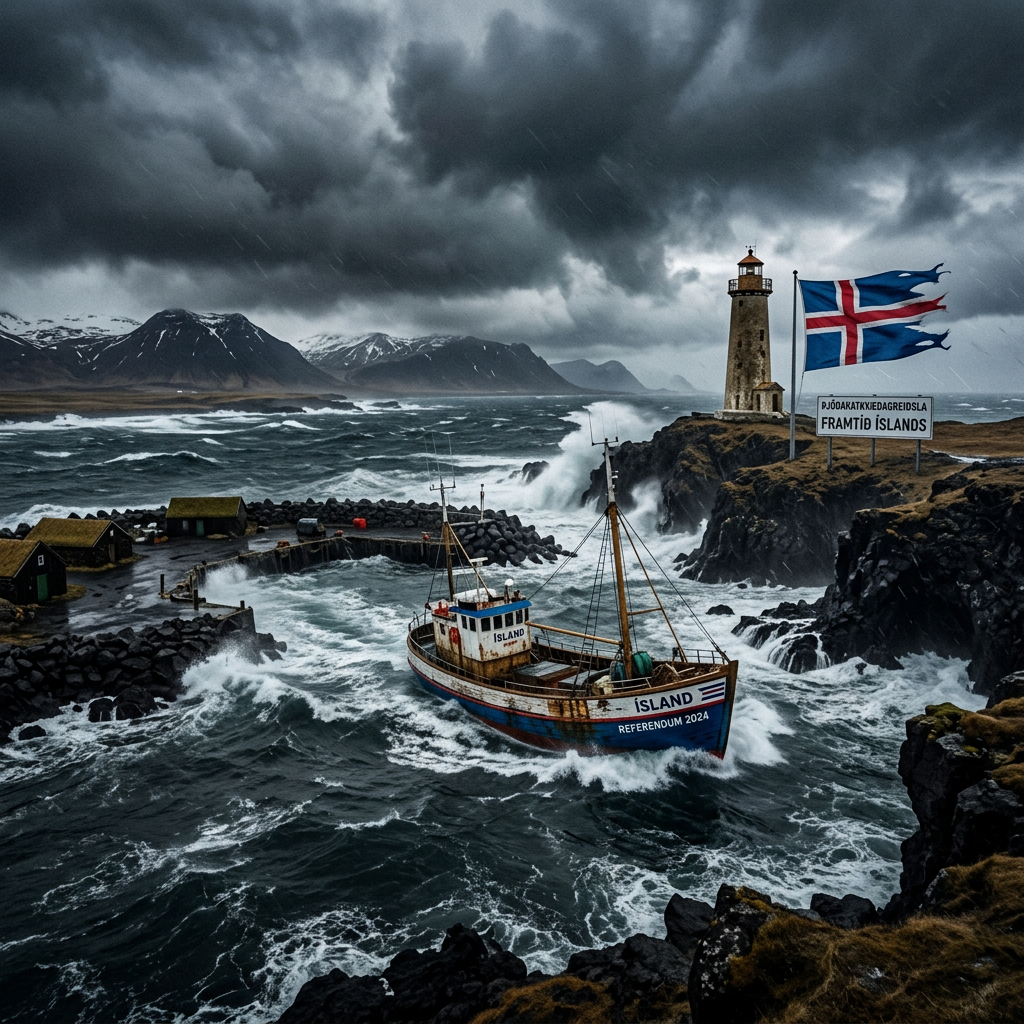
This is the third piece in a series. The first three argued that Iceland’s high cost of capital is mostly …

Five wisdom traditions, one app, and seventeen years of watching what founders actually need at 11pm

For decades, building software required a special type of person. You had to enjoy computers deeply. It involved spending years …

I have been working with technology for over three decades now. People sometimes ask me what has changed the most …

I spend most of my professional life thinking about trust. As an early-stage investor, I’m constantly reminded that capital is …

The Balancing Power of India: From Civilization to Startups to Global Leadership Every time I return to India, I’m reminded …

The Dissonance Between the Digital and the Real
We live in a world where everything online looks finished — startups, ideas, even people — while reality remains imperfect, slow, and deeply human. This essay explores how the digital world distorts our sense of progress and truth, how that distortion has been hijacked to spread anxiety, and why thinking for oneself has become a radical act in the age of digital illusion.

When we launched Startup Iceland in 2012, few believed a startup ecosystem could take root in Iceland. But with the support of early believers like Brad Feld—who not only keynoted our first conference but also mentored founders in person—we planted the seeds of a Give First culture. Since then, mentorship has become the foundation of everything I do, from Startup Reykjavik to the investment funds I manage. I dedicate one hour every week to each founder we back—because generosity and compassion aren’t just values, they’re strategies for long-term success. Brad’s upcoming book, Give First – The Power of Mentorship, captures this beautifully. It’s not just a philosophy—it’s how we build the future.

More than $55m have been raised by startups from Iceland this year. What is interesting is that all the problems that they are solving are massive global problem.

I have been getting a lot of questions about investing and startups. I think what most people are really asking me is how do I get Rich and Financial Independence. I have shared what Naval shared, I wrote it because it become real rather than link to what he wrote.

Lifespan – Why we age and why we don’t have to by David Sinclaire is a fascinating book that should change your view that aging is not natural but it is a disease and we can change its course
