
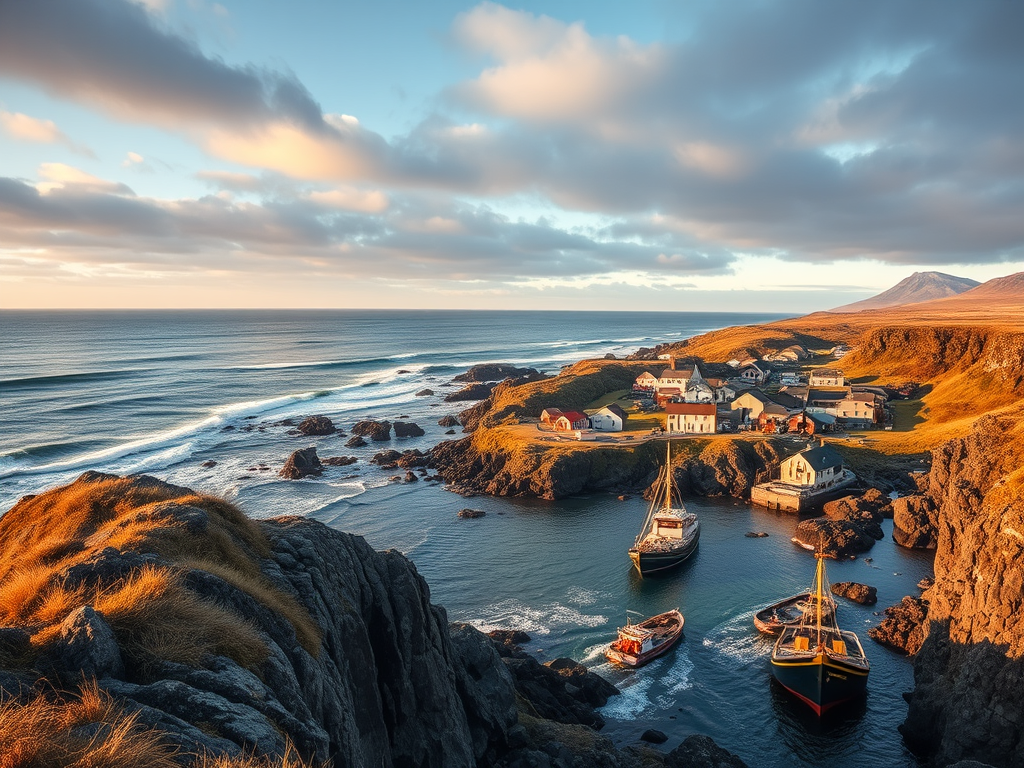
Iceland’s government is implementing one of the most dramatic fiscal shifts in the country’s fishing industry history. Much of the conversation has focused on the impact to traditional players. These include large quota holders. They also include rural coastal communities and government revenue models. Yet, beneath the surface of this upheaval lies a significant—and largely untapped—opportunity for innovation.
For startups building the future of the Blue Economy, Iceland’s fishing fee reforms show not just a challenge. They also offer a generational opportunity to support a sustainable maritime transition.
A New Market for Efficiency and Resilience
With projected fishing fee revenues rising from ISK 10.2 billion in 2023, profit margins of fishing and aquaculture firms are under intense pressure. Revenues reach as much as ISK 25 billion by 2026. These financial conditions are causing a strain. This shifts the focus from expansion to improvement.
Startups that can deliver real cost savings, efficiency, or compliance solutions are poised to become indispensable. Think:
- AI-powered catch forecasting like GreenFish
- IoT-driven fleet and fuel management like Hefring Marine
- Automated workflow, compliance, grading and processing tools like LearnCove
- Dynamic pricing and auction platforms
This opens the door for early-stage companies that can combine deep industry insight with technical innovation to thrive.
Environmental Compliance as a Service
Iceland is committed to achieving carbon neutrality by 2040. Yet higher fees are already slowing investment in greener fleets and technologies. This creates a niche for startups that offer modular, affordable, and quick-deploy environmental solutions, like:
- Emissions tracking and reporting software
- Carbon offset platforms tailored for marine operations
- Electrification kits and retrofitting packages for vessels
By offering these tools as services, startups can reduce capital barriers for adoption while driving measurable climate impact.
Rural Innovation and Coastal Revitalization
About 83% of fishing fees originate outside Iceland’s capital region. As rural fishing towns bear the brunt of the reforms, they also represent fertile ground for bottom-up innovation:
- Remote training tools to re-skill workers in maritime tech
- Modular aquaculture systems for kelp, shellfish, and land-based farming
- Digital cooperatives that improve market access for small operators
- Shared infrastructure hubs or clusters powered by renewable energy which Iceland needs to invest more
These solutions don’t just offer economic alternatives—they help preserve the social fabric of Iceland’s most vulnerable communities.
A Rising Need for Data Transparency
The new fishing fee model, which pegs value to international prices (like Norwegian pelagic auctions), increases complexity and creates demand for transparent, real-time data tools:
- Blockchain-powered quota and catch verification
- Smart contracts for co-op fishing and profit-sharing
- Tax simulation tools for scenario planning
- APIs integrating price indices and regulatory thresholds
Startups that bring clarity and compliance to the chaos of regulation will earn the trust of both industry and regulators.
Protecting Iceland’s Premium Seafood Brand
With 90% of Iceland’s seafood exported and margins under attack, preserving premium market status is more critical than ever. Startups offering:
- End-to-end supply chain traceability
- Real-time freshness and handling data
- ESG verification and storytelling platforms
- Market-specific branding intelligence
…can help Icelandic seafood justify higher prices and keep loyalty in competitive markets.
Final Thoughts: The Blue Economy’s Startup Moment
Iceland’s fishing fee reforms are a historic shift in how a nation thinks about marine wealth. For traditional players, it feels like a storm. But for startups, it’s a changing tide. With the right solutions, they have the chance to become the new scaffolding for Iceland’s future marine economy.
The next generation of Blue Economy startups will drive change through automation, climate resilience, rural revitalization, or digital traceability. They won’t just support the industry. These startups will shape its reinvention.
Discover more from Startup Iceland
Subscribe to get the latest posts sent to your email.
