
The ocean economy is a vital yet underappreciated global system, contributing approximately USD 2.6 trillion in 2020. Advancements in technology, including AI and sensor networks, have begun transforming this sector, enhancing productivity and enabling sustainable growth. Invested wisely, this can unlock new markets and improve ecological outcomes.

AI may be eating the world, but humans cannot eat AI. As billions pour into artificial intelligence, we risk neglecting the very systems that sustain life—our oceans, our food, our climate. To secure our future, we must balance investment in code with investment in carbon, building sustainable value where humanity’s needs meet technological innovation.
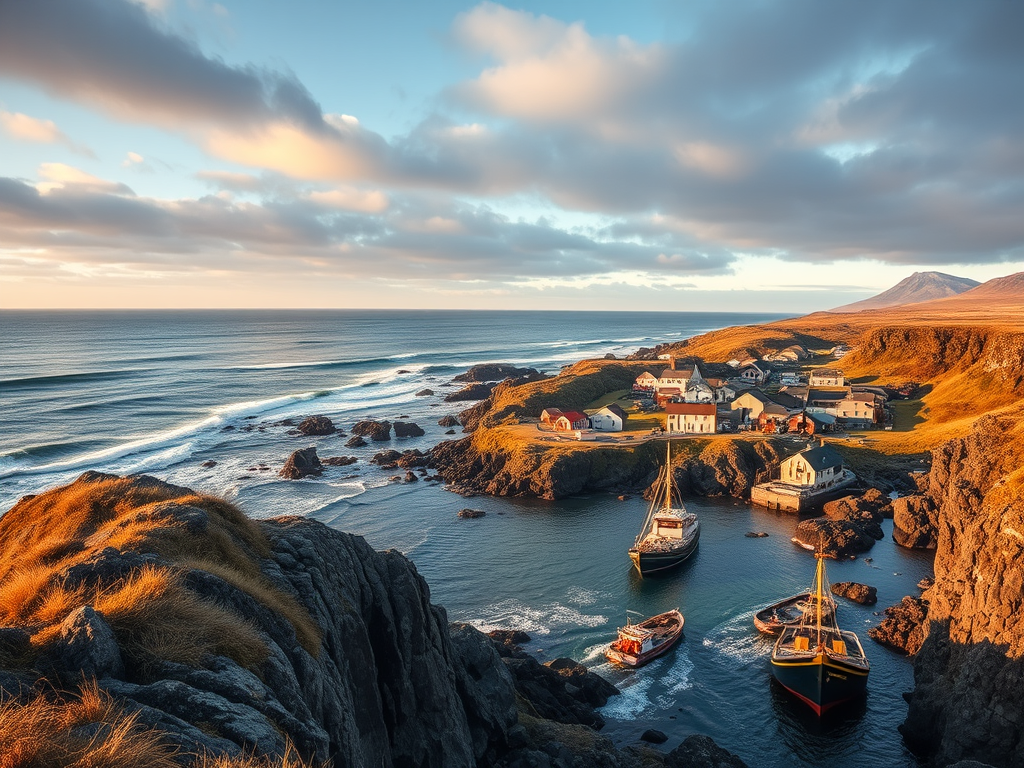
As Iceland’s marine industries face mounting financial and environmental pressures, the need for innovation has never been greater. Startups are uniquely positioned to revitalize the Blue Economy—bringing fresh ideas, agile technologies, and sustainable models to an industry in transition. From rural job creation and emissions reduction to smarter data systems and global competitiveness, these ventures will not only support resilience—they will define the future of ocean-based prosperity.

Iceland’s sweeping fishing fee reform marks a historic shift in how the nation manages its marine resources. By linking fees to international market prices, the policy promises a surge in government revenue but poses serious risks to industry profitability, rural livelihoods, and investment incentives. With coastal communities bearing the brunt and innovation budgets under pressure, the stakes extend far beyond taxation. This blog unpacks the economic, political, and environmental dimensions of the reform—and what it could mean for the future of Iceland’s fishing industry and national identity.
Hackathons are foundations for tinkering, learning and innovation For over a decade, I have had the privilege of organizing and …
