
Iceland Votes No: A Democratic Statement of Independence
On the morning of 30 August 2026, Iceland gave its answer. This is not a victory lap. It is a …

On the morning of 30 August 2026, Iceland gave its answer. This is not a victory lap. It is a …
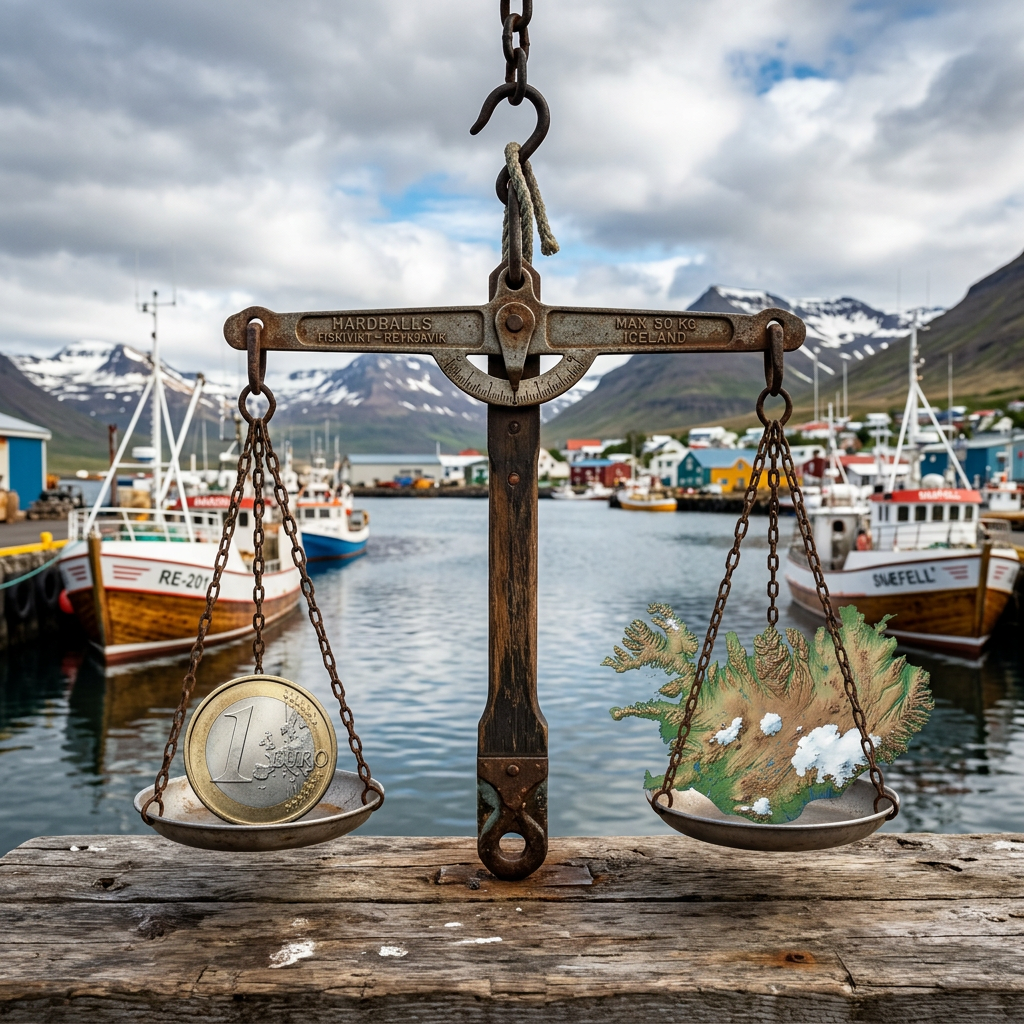
This article analyzes the financial implications of Iceland’s potential EU membership, revealing a significant disparity in estimated costs, ranging from 7 to nearly 50 billion krónur annually. It argues that Iceland would primarily be a net contributor, funding the development of poorer EU nations, and emphasizes the permanency and associated burdens of such a commitment.

Smári McCarthy wrote a detailed rebuttal to my post of 10 August, and this week he made a wider version …

I have spent this series arguing one side of Iceland’s referendum. That earns a reader’s suspicion, and it should. So …

The article discusses Iceland’s strategic significance versus its economic relevance in the context of EU accession. While Iceland’s economy is minor within the EU, its geographic position is crucial for controlling the North Atlantic and observing Russian naval activity. The piece argues that Iceland’s security needs can be met through existing NATO affiliations and bilateral agreements, making EU membership unnecessary.

The Icelandic government commissioned a report on currency options ahead of a referendum, revealing that while the króna is volatile, it absorbs rare shocks more effectively than previously acknowledged. The report identifies a critical competitiveness issue driven by rising wages. It emphasizes domestic reforms as essential, regardless of currency choices, highlighting that true stability relies on addressing internal economic structures.

This is a different kind of piece from the ones before it. Those were about economics — the cost of …

This analysis critiques Iceland’s Prime Minister’s arguments for EU membership regarding monetary sovereignty. It emphasizes that historical examples show joining the euro could lead to lower initial interest rates but also hidden risks, mispricing, and inflation issues. The author advocates for domestic reforms instead of abandoning currency sovereignty.