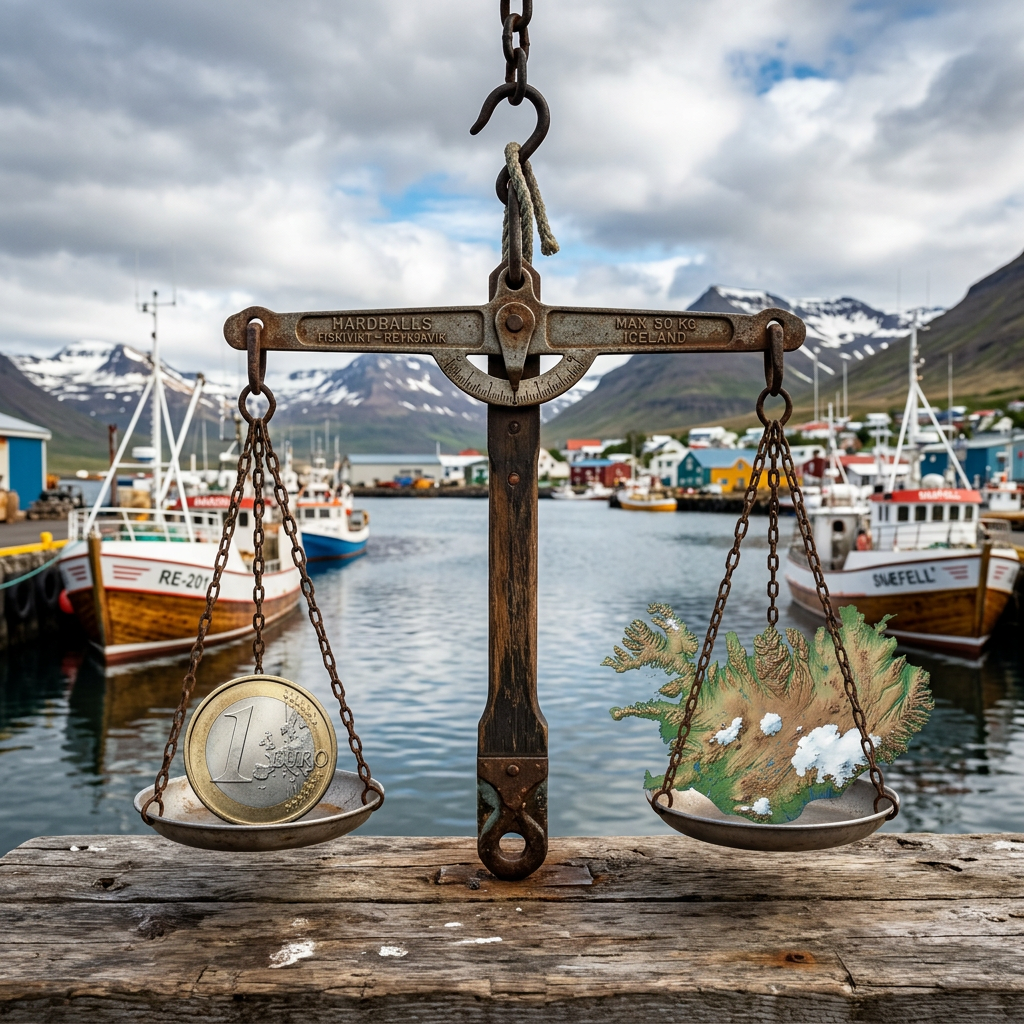
This article analyzes the financial implications of Iceland’s potential EU membership, revealing a significant disparity in estimated costs, ranging from 7 to nearly 50 billion krónur annually. It argues that Iceland would primarily be a net contributor, funding the development of poorer EU nations, and emphasizes the permanency and associated burdens of such a commitment.

Iceland’s sweeping fishing fee reform marks a historic shift in how the nation manages its marine resources. By linking fees to international market prices, the policy promises a surge in government revenue but poses serious risks to industry profitability, rural livelihoods, and investment incentives. With coastal communities bearing the brunt and innovation budgets under pressure, the stakes extend far beyond taxation. This blog unpacks the economic, political, and environmental dimensions of the reform—and what it could mean for the future of Iceland’s fishing industry and national identity.
